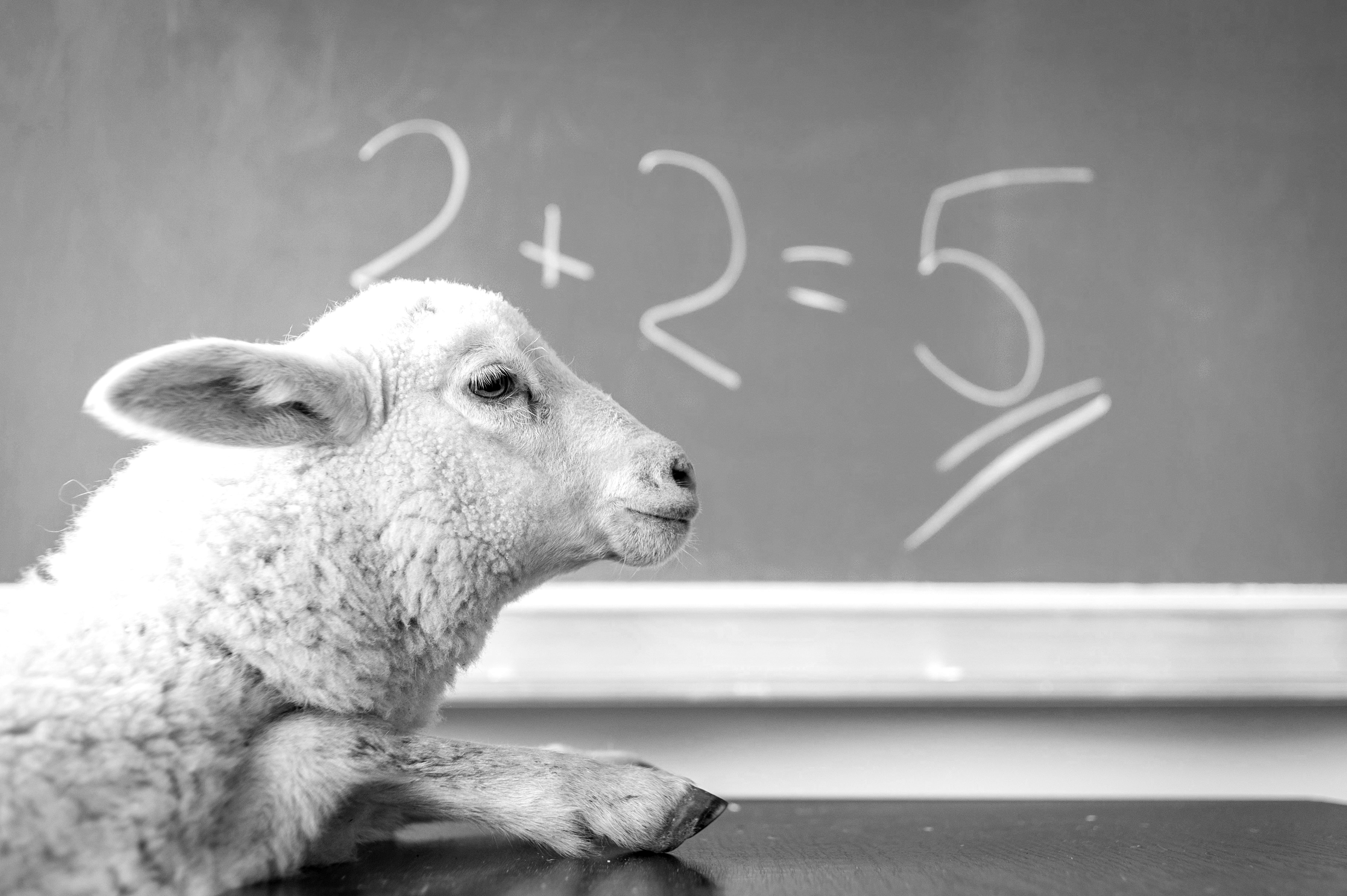

Paul Tabori: We pay a high price for stupidity
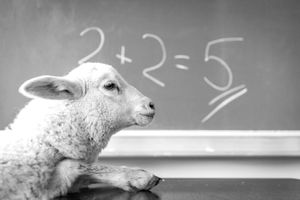
Every few years, I come across an old book that provides new understanding. Paul Tabori’s The Natural History of Stupidity fits that description. It is not a manifesto, a tidy argument, or a self-help manual for the hapless. It’s stranger than that, and more valuable because it details the many ways human beings have managed to sabotage themselves through deliberate and enthusiastic stupidity.
Like me, when Tabori talks about stupidity, he isn’t talking about innocent ignorance or people who were never given a chance to learn. He is talking about the real thing, the prideful and avoidable form of stupidity that wrecks civilizations, sparks wars, props up bad leaders, bogs down bureaucracies, and keeps entire societies locked in the same cycles of failure.
The book reads like an archive of human folly. There are stories from royal courts, monasteries, scientific associations, fringe religious communities, and everyday life to reveal a truth we still struggle to admit. Human beings have always been abundant and imaginative when it comes to behaving foolishly. The details change, but the foolishness never does. He writes about people who thought early audio technology was demonic trickery, about sects that mutilated themselves in pursuit of purity, and about bureaucrats who perfected the art of wasting time in the name of procedure.
The writing is witty, kinda funny, but Tabori isn’t laughing for entertainment. He is revealing how stupidity functions as a historical force. It shapes wars. It fuels persecution. It drives scientific fiascos and destroys political systems. It’s a cold reminder that every major disaster is built on countless small acts of thoughtlessness and arrogance.
The book is old, but helpful in showing the roots of today’s stupidity. And, as a reminder (again), stupidity is not tied to intelligence. Smart people can be breathtakingly foolish. Entire institutions can be built on nonsense. Stupidity is about the refusal to understand connections, consequences, and reality itself. It is a failure of awareness, not a failure of IQ.
Once stupidity becomes normalized, people turn to myths, conspiracy theories, cults of personality, magical thinking, and sentimental nonsense. They choose feelings over facts and punish anyone who points out the obvious. Does any of that sound timely?
If you say no, you’re not paying attention.
The most crucial insight in the book is simple. Stupidity is resilient. You cannot shame it or argue it away. It survives everything. It adapts to every era. It thrives in every environment. It is, in Tabori’s view, our most destructive habit and the one we try hardest to deny.
I find it affirming to see Tabori strip away the fantasy that our current crisis is unique. It is not. It is simply the latest version of an ancient human story. He forces readers to see the scale of the problem, without offering a cure, because there is none (in his mind). I disagree with his claim that stupidity is permanent. Still, I agree with his idea that the only protection available is wisdom, humility, knowledge, and the courage to resist the tide.
This book should be on the reading list for anyone who wants to understand how a stupidogenic society forms and why it is so difficult to escape. It is messy, uneven, and packed with illustrative examples. You’ll come away from it seeing how massive and relentless human foolishness is.
The message is simple, bleaker than mine, and clarifying. Stupidity has shaped the world more than wisdom ever has. If we fail to take that seriously, it will keep shaping our future in ways we will not like.